







Search Results for: Flavored Beans
From Sweetness to Zero Calories: How Flavored Syrups Are Shaping New Coffee Consumption Trends
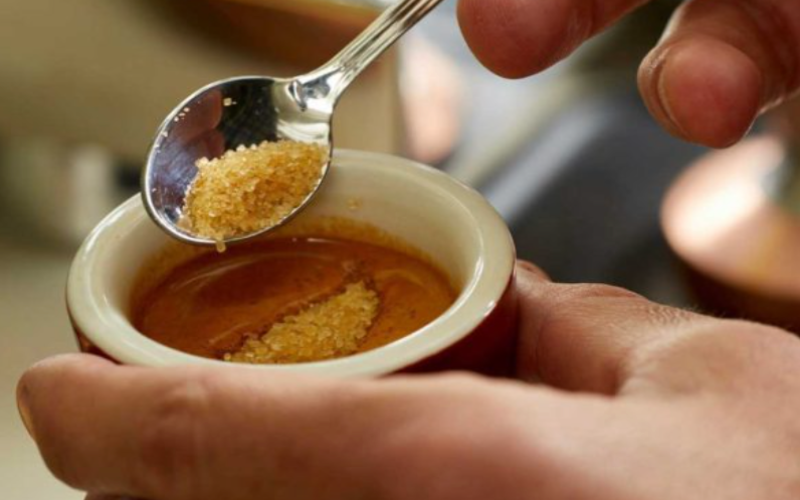
The history of adding sugar to coffee has spanned nearly five hundred years, and today flavored syrups are quietly transforming the consumer landscape of the entire coffee industry. Since Starbucks launched its flavored lattes in 1994, various syrups have not only made coffee flavors more diverse but also met consumers' demand for personalized customization. At the same time, as health awareness has risen, zero-calorie sugars and zero-calorie flavored syrups have become a new trend, with brands such as Luckin following suit. This article will trace the evolution of flavored syrups in the coffee industry, analyze the logic behind their regional innovation, and explore the opportunities and hidden concerns behind the zero-calorie sugar trend, helping coffee lovers gain a more comprehensive understanding of this new consumer trend. [more…]
Chocolate-Flavored Coffee Beans Recommendation: Balancing Budget and Drinking Frequency
Chocolate-flavored coffee beans are best approached by gradually building your judgment from tasting experience. For everyday bean buying, you need to consider how quickly you'll drink them, how much to buy at once, and whether you mainly make black coffee or milk coffee at home. The flavor words on the packaging can offer clues, but they can't replace the actual drinking experience—whether the acidity is mellow, whether the sweetness lingers, whether the mouthfeel is [more…]
How Do You Distinguish Anaerobic-Processed Coffee from Flavored Coffee? Is Added Flavoring Harmful to Health? A Detailed Explanation of Special Processing Methods
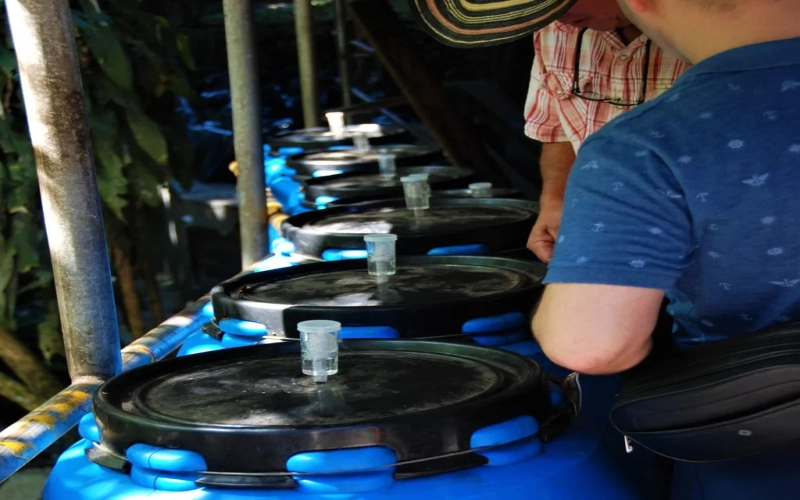
In recent years, the processing method descriptions on coffee bean labels have become increasingly long, with various special processing methods, primarily anaerobic, emerging one after another. When many consumers drink anaerobically processed coffee with unique flavors, they wonder whether flavorings were added during roasting. This article sorts out the differences between anaerobic natural and anaerobic washed, explains why special processing methods are mostly led by well-funded estates, and cites the views of world champion Sasa to clarify the essential differences between flavored coffee and the addition of enzymes or yeast fermentation. It also answers questions such as whether anaerobic coffee is equivalent to flavored beans and whether it harms health, helping coffee lovers understand more transparently where the flavors in their cup come from. [more…]
Nutty and Cocoa-Flavored Coffee Bean Recommendations: Balancing Budget and Drinking Frequency
Nutty and cocoa-flavored coffee beans are suited to building your judgment gradually through tasting experience. When buying beans for everyday use, you need to consider how quickly you'll drink them, how much to buy at once, and whether you mainly make black coffee or milk coffee at home. The flavor words on the packaging can offer clues, but they cannot replace the actual drinking experience—whether the acidity is gentle, whether the sweetness lingers, whether the mouthfeel [more…]
Tropical Fruit-Flavored Coffee Beans Recommendations: Balancing Budget and Drinking Frequency
When choosing coffee beans with tropical fruit flavors, you can set the complex information aside for a moment. For everyday bean buying, you need to consider how quickly you'll drink them, how much to buy at a time, and whether you mainly make black coffee or milk coffee at home. Start from the two sets of differences—light and refreshing versus rich and full-bodied, and black coffee versus milk coffee—then look at the roast date and processing method, and your judgment will be more in line with your [more…]
Original or Flavored Latte: Two Paths for Choosing Beans
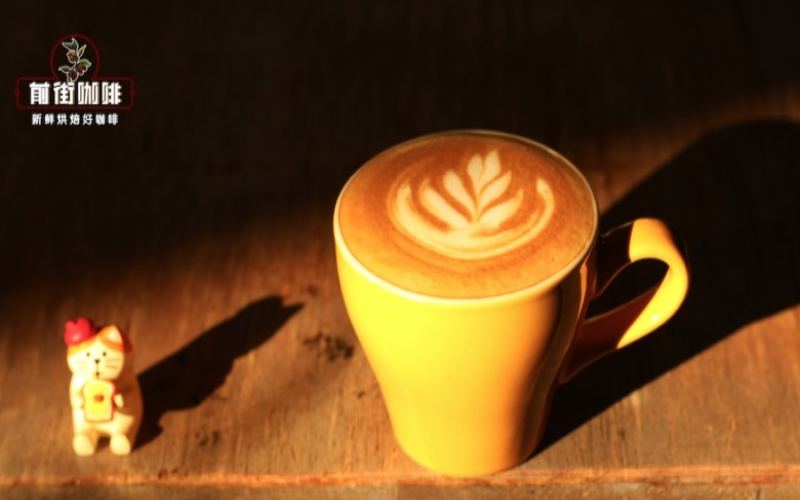
Before ordering a latte, it's worth asking yourself one question: do you want a solid milk coffee, or one with a playful twist? This question splits lattes into two paths, and also cleaves the direction of bean selection in half. If the path isn't decided, even the best beans won't deliver the mood you expect. The original-flavor path pursues a harmony of the beans' and milk's true essence. [more…]
Why Strawberry Candy Latte Works: The Underlying Logic of Flavored Beans
Seeing a strawberry candy latte on a café menu, many people instinctively assume it contains syrup. In fact, a properly processed flavored bean can produce a strawberry-like sweet aroma without any syrup at all, and Front Street Coffee's Strawberry Candy Blend was designed with exactly this approach in mind. Its premise is that the bean's own fermented flavor is distinctive enough—so distinctive that [more…]
A Guide to Buying Nutty and Cocoa-Flavored Coffee Beans: Seven Low-Acid Espresso Beans and Bestseller Rankings
During coffee bean roasting, caramelization and the Maillard reaction occur. The former releases sweet aromas, while the latter generates pyrazine compounds, bringing notes of roasted cocoa, nuts, and almonds. If you prefer dark chocolate and nutty flavor profiles, medium or medium-dark roasted beans are an ideal choice. This article recommends seven espresso coffee beans with prominent nutty and cocoa flavors, covering Front Street Classic Espresso Blend, Specialty Espresso Blend, Strawberry Candy Espresso, Bird of Paradise, Queen's Estate, PWN Golden Mandheling, and Huila, all from Front Street Coffee, freshly roasted within 5 days, with high cost-effectiveness. Whether making a latte, Americano, or pour-over, you can find a suitable option for those who dislike sourness. [more…]
A Comprehensive Analysis of Special Coffee Processing Methods: Does Anaerobic Enzyme Processing Count as Flavored Beans?
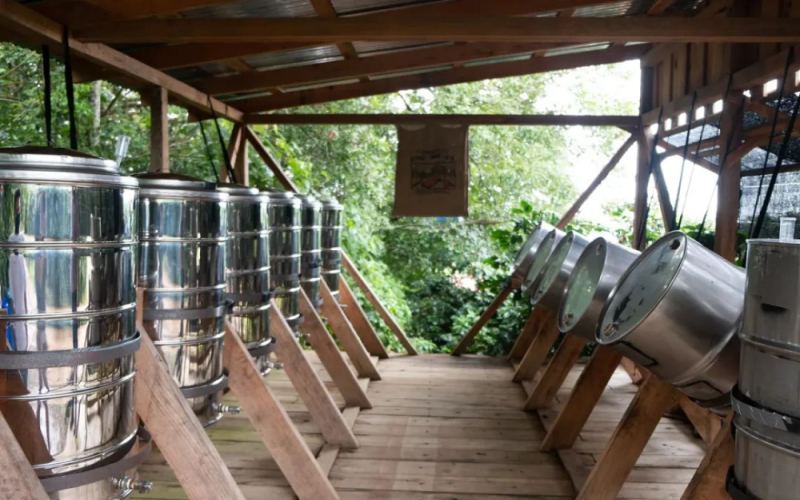
In recent years, traditional coffee processing methods have become increasingly rare, and even premium producing regions such as Ethiopia and Panama Geisha have begun to embrace special processing methods. From the emergence of anaerobic honey processing in 2014 to five of the top six finishers at the 2018 WBC using anaerobic fermented beans, special processing methods rapidly swept the market. Among them, "anaerobic enzyme processing" has sparked the most discussion—what exactly are enzymes? Are they the same thing as flavored beans? Starting from the nature of enzymes and the background of the rise of special processing methods, and incorporating the views of WBC champion Sasa, this article clarifies the boundary between flavored coffee and fermented flavors, helping coffee enthusiasts view this new wave of processing methods rationally. [more…]
Chocolate-Flavored Coffee Beans Recommendation: A Specialty Selection Guide to Dark Chocolate and Nutty Aromas
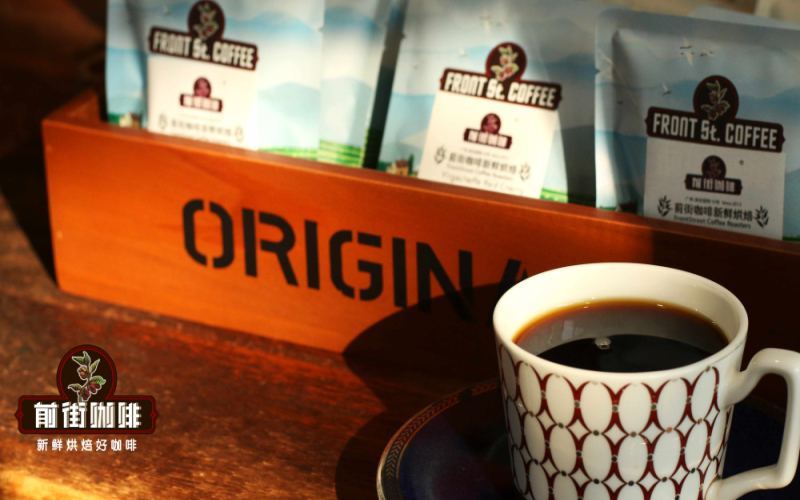
Many people adore that bittersweet chocolate character in coffee—buttery, full-bodied sweetness, warm aromas of toasted walnuts, and a gentle acidity that glides across the palate like silk, with a cocoa sweetness that lingers unforgettably. If you're looking for this kind of flavor too, this article will walk you through how to choose beans for dark chocolate-flavored coffee, focusing on the rich cocoa notes of Front Street Colombia Huila, as well as two products with a high proportion of Brazilian beans: the Front Street Specialty Blend and the Front Street Dark Cocoa Base Blend. The former combines nutty, chocolate, and caramel aromas, while the latter incorporates the plum-like acidity of Yunnan smallholder beans, releasing a creamy chocolate aroma when ground—balanced and versatile, ideal for lattes and a variety of espresso drinks, helping you choose precisely according to your taste preferences. [more…]
Coffee with Syrup or Sugar? A Complete Guide to Choosing Coffee Syrup Brands and Usage Recommendations
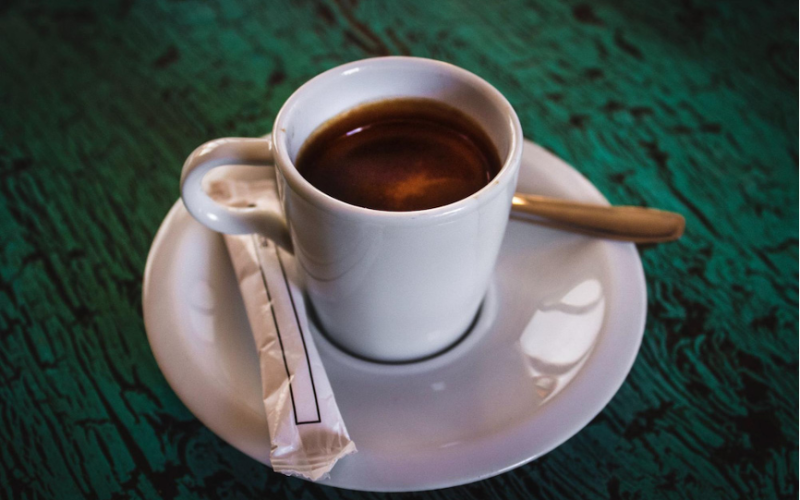
The pairing of coffee and sugar has a history of several hundred years. From 16th-century European aristocrats using sugar to mask the burnt bitterness of inferior coffee, to today's third wave, which champions tasting coffee in its original form, the role of sugar has undergone a dramatic shift. The rise of syrups has brought rich artificial flavors to coffee and also lowered the barrier to entry. This article sorts out the essential differences between sugars and syrups used in coffee, syrup brand choices (including Front Street Coffee's recommendations), and the appropriate amount of syrup in coffee. It also explores the science behind sweetness addiction and the dilemma baristas face when customers add sugar, helping coffee lovers find a balance between flavor and individuality. [more…]
Do Wine-Flavored Coffee Beans Contain Alcohol? Honduras Lychee Orchid: Flavor Analysis of Brandy Barrel-Fermented Washed Beans
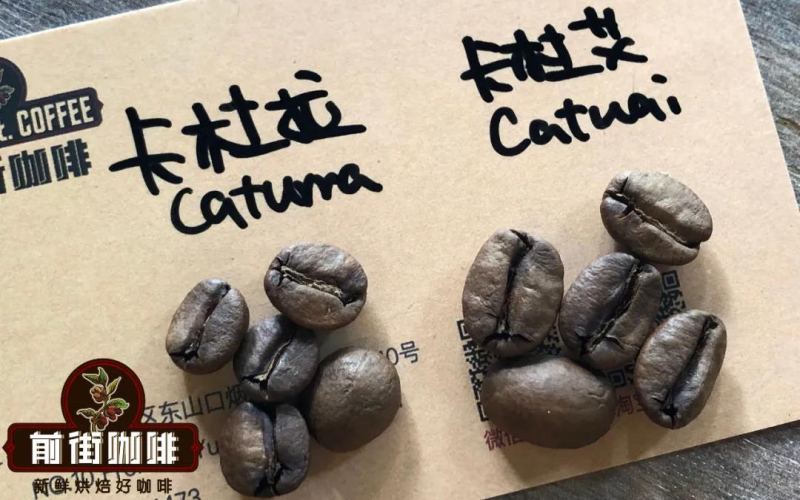
In recent years, coffee processing methods have continuously evolved, from early anaerobic fermentation to red wine processing, and now to oak barrel fermentation, with endless innovative techniques making coffee flavors increasingly diverse. The Honduras Litchi Orchid coffee beans launched by Front Street Coffee are produced using a combination of fine washing and brandy barrel fermentation, originating from the Moca Estate in the Marcala region, at an altitude of 1,500-1,700 meters, with varieties of Caturra and Catuai. This bean shares similarities with the same brand's Sherry coffee beans, with the difference being that Sherry uses whiskey barrels, while Litchi Orchid selects brandy oak barrels. The fermented beans carry a soft lychee and honey sweetness, while integrating brandy notes and oak aroma. This article will provide a detailed introduction to this bean's processing method, flavor performance, and answer the question of whether wine-flavored coffee beans contain alcohol. [more…]
Berry-Flavored Coffee Beans: The Sweet-and-Tart Layers of Strawberry and Blueberry
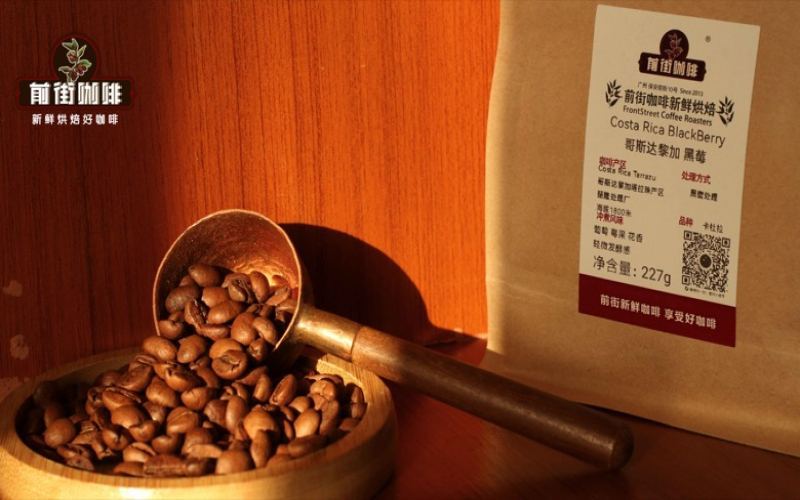
Berry-flavored coffee beans have a flavor profile best described as "intertwined sweet and sour": the aromas of strawberry, blueberry, and raspberry need an acidic foundation to come across as three-dimensional. Front Street Coffee's Granja Estate Geisha has a strawberry jam aroma paired with sun-dried sweetness, making it a richer expression of berry notes; Colombia's Sidra, by contrast, has a brighter blueberry flavor, and in iced pour-over its berry character [more…]
How to Make Pistachio Latte and Pistachio Dirty Coffee? A Detailed Guide to the Ingredients Ratios and Key Steps for Nutty-Flavored Coffee
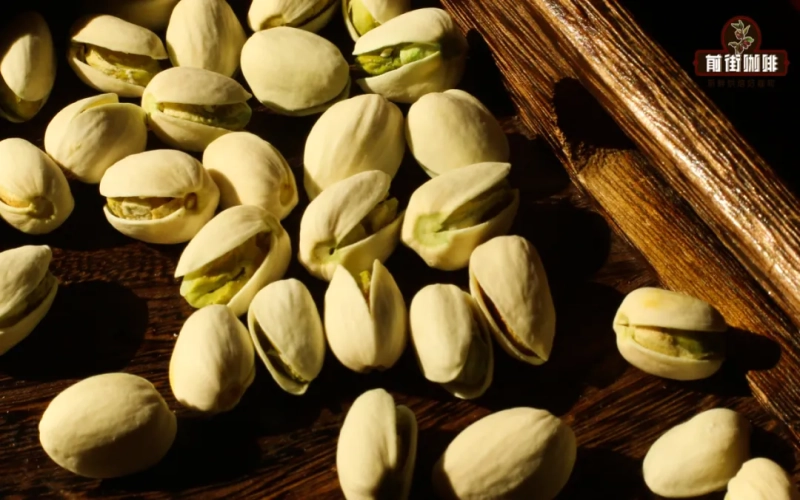
In recent years, pistachio flavors have become increasingly common in the coffee world. Whether it's a pistachio latte or a pistachio dirty, both have won over plenty of fans with their rich, natural nutty aroma. Most of these drinks use pistachio paste rather than flavored syrup to deliver their flavor, and although specialty cafés charge a premium for them, making them at home is actually quite affordable. This article starts with ingredient preparation, focuses on the techniques for melting pistachio paste, and then provides specific recipes and step-by-step instructions for a hot pistachio latte and a pistachio dirty, including espresso extraction parameters, milk quantities, syrup ratios, and the key details for hot-and-cold layering, helping you recreate café-quality pistachio coffee at home. [more…]
Is Colombia Flower Moon Night a flavored bean? Analyzing the taste and characteristics of the strawberry jam-flavored anaerobic natural coffee
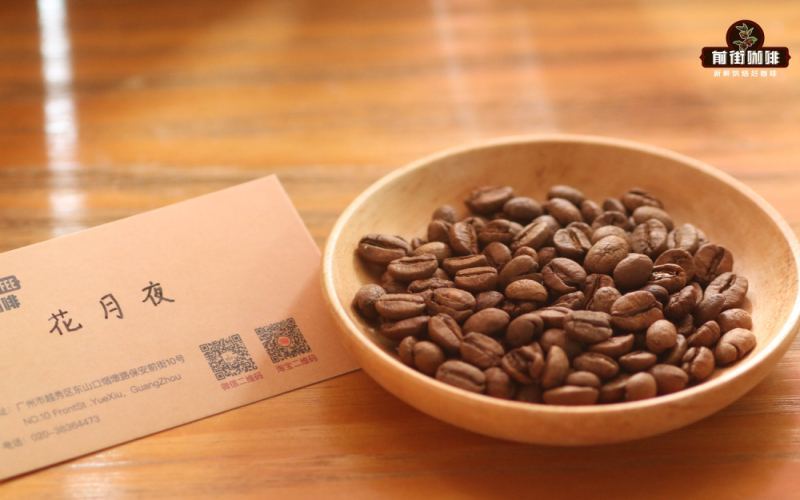
Colombian Flower Moonlight coffee beans have attracted much attention because they release an intense strawberry jam aroma as soon as the bag is opened. Many coffee lovers wonder: is such a vivid fruity fragrance the result of natural fermentation, or has flavoring been added? Starting from Front Street Coffee's cupping and brewing experience, this article sorts out this bean's producing region background, estate information, variety characteristics, and anaerobic natural processing method, and also includes Front Street's roasting curve, cupping flavors, and pour-over parameters to help you fully understand where Flower Moonlight's strawberry profile comes from and why it has become one of Front Street's most popular coffees among female customers. [more…]
Chocolate-flavored beans: when are they smoothest to drink?
The cocoa, nut, and caramel aromas of chocolate-flavored coffee beans often need a little time to settle before they emerge from the smoky, roasty character left by the roast. When buying beans, don't just look at the flavor label—also pay attention to the roast date, the packaging method, and your own pace of drinking. These factors determine the rhythm of a bag of beans from opening to finishing. [more…]
Recommended Coffee Beans with Floral Flavors: Balancing Budget and Drinking Frequency
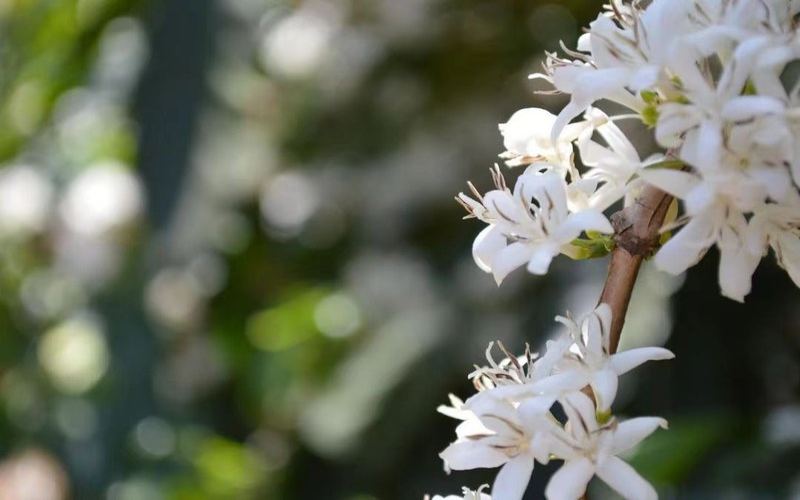
Floral-flavored coffee beans aren't something you get the hang of just by memorizing a few names. When buying beans day to day, you need to consider how quickly you'll drink them, how much to buy at once, and whether you mainly make black coffee or milk coffee at home. What's truly useful for reference is the ratio of acidity to sweetness on the palate, the body thickness, and the lingering aftertaste once the coffee cools, then combined with your brewing habits, your range of choices will [more…]
Rich Chocolate-Flavored Coffee Picks: A Comparative Analysis of Costa Rica Tarrazu's Top Region and Front Street Huilan
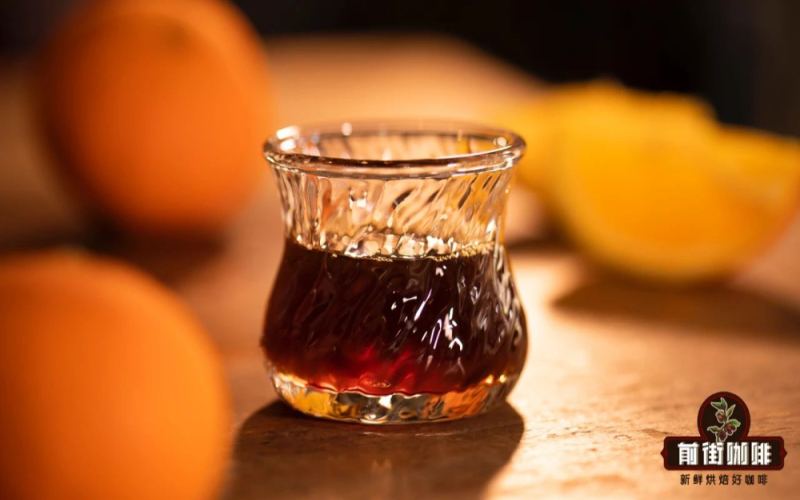
For coffee lovers who prefer chocolatey notes, coffee beans from Colombia's Huila region are often the first choice, with their signature dark chocolate and cocoa flavors leaving a deep impression. This article first introduces the unique taste and regional background of Front Street Coffee's Colombian Huila coffee beans, then extends to Costa Rica's top Tarrazu region, offering readers searching for intensely chocolatey coffee a more comprehensive reference. Front Street Coffee classifies Huila under its everyday drinking bean series, using washed processing to preserve Colombia's most authentic flavors; whether brewed with an espresso machine, moka pot, or pour-over, it delivers a creamy, full-bodied sweetness and nutty aroma. [more…]
Chocolate-Flavored Coffee Beans: Two Directions from Dark Chocolate to Milk Chocolate
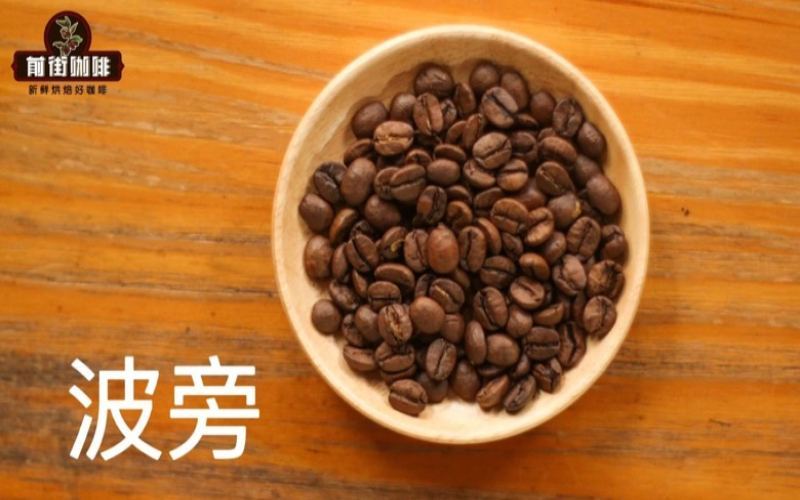
Chocolate-flavored coffee: the sweetness comes from the caramelization reaction during roasting, while the bitterness comes from the roast level; the ratio of the two determines whether it leans toward "dark chocolate" or "milk chocolate." Front Street PWN Indonesia Golden Mandheling is a representative of the dark chocolate direction, with herbal notes that give the bitterness layers; Brazil Queen Estate, on the other hand, leans toward milk [more…]
How Are Cacao Beans Different from Coffee Beans? A Guide to Cacao-Flavored Coffee Bean Recommendations
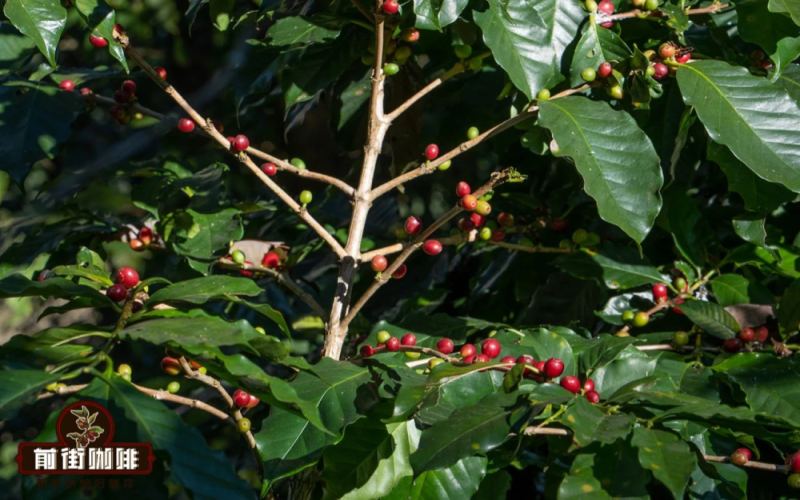
Cocoa and coffee come from two completely different plants: cocoa beans are obtained from the fruit of the cacao tree, while coffee beans are the seeds of the fruit of the coffee tree. The two differ significantly in plant family and genus, growing environment, processing methods, and flavor characteristics. Because coffee beans contain abundant volatile aromatic compounds, after roasting they can present a variety of alluring flavors, including cocoa and chocolate. This article will analyze in detail the differences between cocoa beans and coffee beans, and recommend three high-quality coffee beans with rich cocoa flavors, including Front Street Queen's Estate, Front Street Bird of Paradise, and Front Street Colombia Huila, to help coffee lovers find their ideal cocoa-flavored coffee. [more…]